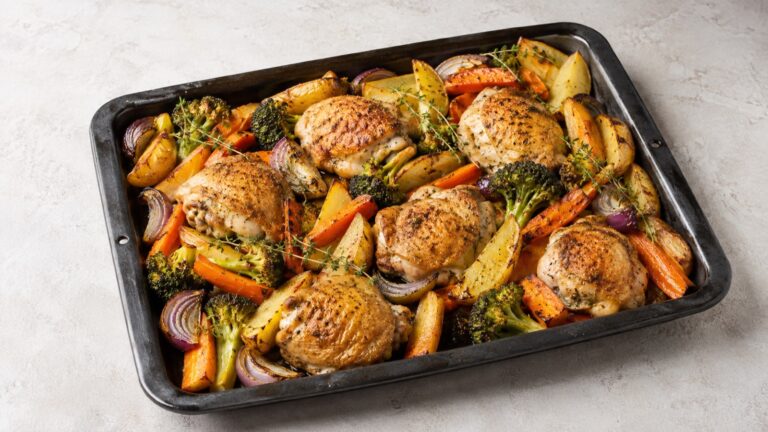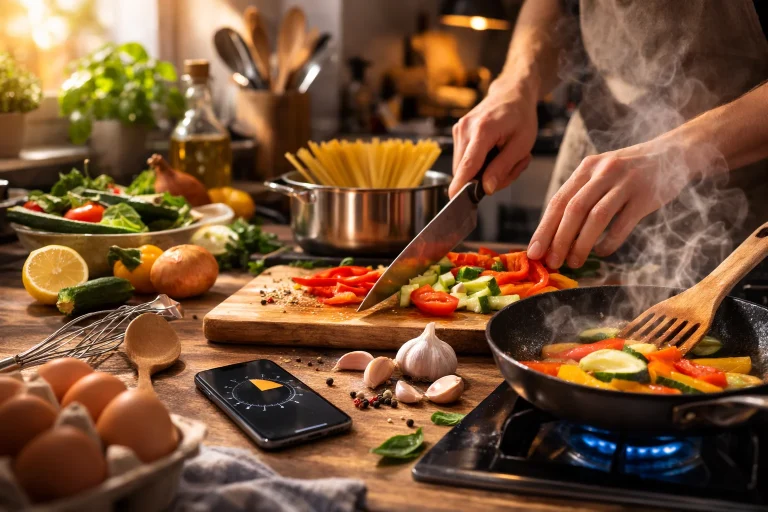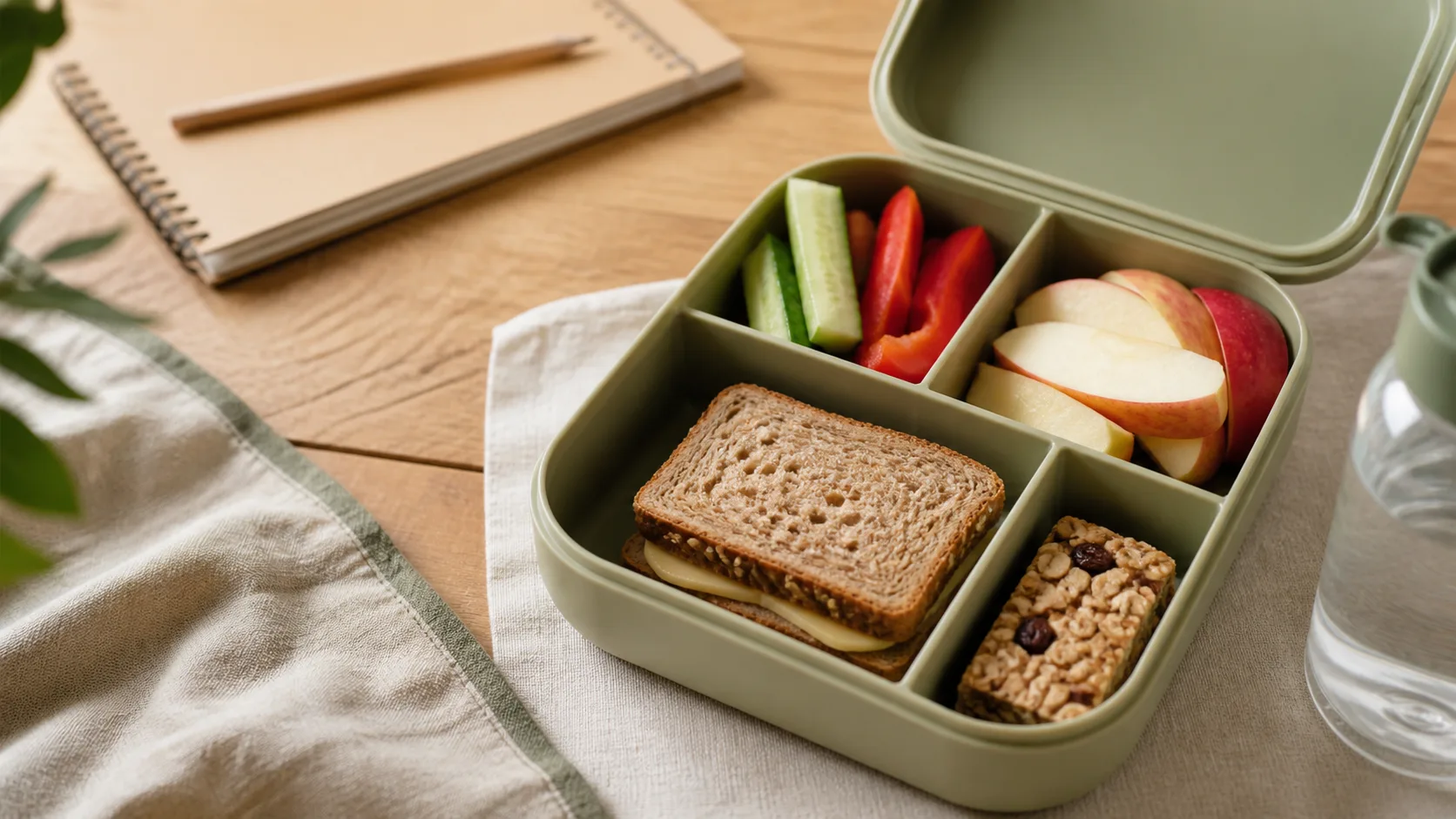
A practical school snack has four parts: bread, porridge or another filling base, a source of protein, fruit or vegetables, and water. It doesn't have to be original every time. What's more important is that the child can easily eat it, the portion matches their appetite, and perishable foods stay cool until the break.
Morning box-packing is easier when you don't make decisions from scratch every day. Below you'll find a simple rule, a five-day plan and a list of things you can prepare the night before. Use it as a kit: adjust quantities by the child's age, school hours, activity level and typical appetite.
What should a school snack include?
A good starting point is the combination base + protein + fruit or vegetable + drink. The Czech National Institute of Public Health describes a complete snack similarly: a carbohydrate part complemented by a protein food and fruit or vegetables. Not every box needs to look perfect. What matters is the composition over the week and, above all, whether the child actually eats the snack.
- Filling base: quality bread, roll, tortilla, rolled oats, homemade muffin or muesli bar. Sweet pastries don’t have to be an everyday staple.
- Source of protein: cheese, plain yogurt, quark, eggs, spread, hummus or lean ham. Dairy products, eggs and most spreads need refrigeration.
- Fruit or vegetables: apple, pear, plums, carrot, cucumber, pepper or tomatoes. Choose varieties that won’t easily get squashed in the box.
- Drink: plain water, or unsweetened tea. Pack the bottle separately and check the seal.
Familiar flavors and simple combinations are preferred. It’s better to try a new food at home first rather than rely on a child eating it hurriedly during break.
What does a five-day school snack plan look like?
The plan assumes a regular school week and ingredients that can be reused. For chilled items use a well-sealing box, a thermal cover and a cooling pack.
Monday: quark muffin, fruit and water
Prepare cottage cheese muffins without flour and sugar already on Sunday. Add a small apple or pear to the box. If the muffin is small for the child, supplement it with a piece of bread and cheese; if it's filling, fruit and water are enough.
Tuesday: tortilla roll-ups and crunchy vegetables
Snack tortilla rolls with ham, cheese and carrot are easy to hold and the child doesn't need to cut them with utensils. Put cucumber or pepper in a separate compartment so the tortilla doesn't get soggy. Because of the ham and cheese, the box should be kept cool.
Wednesday: homemade granola bar, yogurt and fruit
Homemade granola bars with apple and raisins bake in advance and cut into smaller portions. Add plain yogurt in a tight container and a few plums or other firmer fruit. Only bring yogurt if you can keep it cold until snack time.
Thursday: bread with egg spread and vegetables
Spread on a smaller slice of bread egg spread with chives. Pack the sandwich separately and put carrot or pepper in the other compartment of the box. Don't leave egg spread for hours in a regular backpack without cooling; it belongs in a thermal container with a cooling insert.
Friday: cheese sandwich, fruit and a small homemade treat
End the week with a simple sandwich with cheese and vegetables. Add seasonal fruit and, if desired, a small piece of a homemade muesli bar or a muffin leftover from previous days. For older schoolchildren, an occasional alternative can also be oat cookie, if the family is happy with the ingredients used and the portion size.
You can find more lunchbox-friendly recipes in the overview of meals for schoolchildren. When planning the whole week, you can coordinate snacks with the plan for a family menu for the week, so the same fruit, vegetables and bread are used in other meals as well.
What to prepare the night before and what to leave for the morning?
Do at night the tasks that won’t reduce the quality of the packed lunch. In the morning, just combine the fresh and chilled parts.
Night:
- bake muffins, cookies or muesli bars and divide them into portions;
- wash whole fruit and firm vegetables and let them dry well;
- prepare the spread in a sealed container in the fridge;
- get dry ingredients, an empty box, a napkin and a bottle ready;
- put the cooling pack in the freezer.
Morning:
- cut fruit that browns quickly or releases juice;
- spread the bread and wrap the sandwich separately from wet vegetables;
- add yogurt, spread, eggs, ham or cheese straight from the fridge;
- put the cooling pack into the insulated cover;
- fill the bottle with fresh water.
If you’re short on time in the morning, leave fruit whole. An apple or pear usually keeps better than pre-cut pieces and the box stays less messy.
When does a school snack need to be kept cold?
Yogurt, quark, soft cheeses, eggs, meat, ham and most moist spreads are perishable foods. The World Health Organization recommends keeping such foods below 5 °C and not leaving cooked or quickly perishable food at room temperature for more than two hours. A warm backpack or satchel in the sun further increases the risk.
In practice, use an insulated lunch bag and a frozen cooling pack. Leave the box in the fridge until departure. If the school offers a refrigerator, use it. If you can’t keep things cold, choose whole fruit, a dry homemade bar, nuts according to the child’s age and school rules, or another more shelf-stable combination for that day. Always adapt allergens and suitability of hard foods to the child’s age.
Do not save leftovers that were kept warm all day at school for the next day. Wash the box and bottle after returning and let them dry completely.
How to ensure the snack doesn’t come back home?
Start with a smaller portion. An overfilled box can feel like a task, while two to three clear sections can be eaten during a short break. If the child regularly finishes everything, gradually increase the portion.
Let the child choose one item from two options: an apple or a pepper; a muffin or a sandwich. The choice stays simple, but the child has a say in the snack. After school, don’t just ask whether it was good. Find out whether the portion was the right size, whether the box was easy to open, and whether anything got soggy.
A steady rotation also helps. You can repeat three favorite snacks and add a change once a week. Variety doesn’t come from inventing a new recipe every day, but from alternating staples, colors and textures throughout the week.
What are the most common mistakes when packing a snack?
Portion too large
Quantity should be guided by the specific child, not the size of the box. Watch what comes back and adjust portions in small steps.
Only a sweet item without other food
A single cookie or sweet pastry is usually not a complete snack. Supplement it with fruit and an appropriate source of protein, or reduce the sweet portion.
Wet and crunchy foods together
Tomato, cucumber or a spread can make bread soggy by mid-morning. Compartments, silicone cups or two small containers help.
Missing water
A snack without a drink isn’t complete. Prepare water as routinely as the lunchbox and check the bottle cap once a week.
Chilled food in a regular school bag
A container won’t keep food cold by itself. Yogurt, eggs, ham, meat and spreads need a real ice pack and an insulated bag.
What to buy for five school snacks?
For this plan you usually need one type of bread or tortillas, ingredients for muffins or granola bars, eggs, cheese, plain yogurt, ham depending on the chosen recipe, and three to four kinds of seasonal fruit and vegetables. Choose items that overlap with family breakfasts and dinners. That reduces waste and means you won’t be looking for uses for half an opened package on Friday.
First check what you already have at home, then write a shopping list based on five boxes. Muffins and bars can be portioned and partly frozen; check storage recommendations for each recipe beforehand.
What’s the simplest rule to finish with?
Build each box from a filling base, a protein source, fruit or vegetables and water. Only prepare in advance what keeps well, and keep chilled foods below 5 °C with an insulated bag and ice pack. Adjust the five-day plan to what the child actually eats — a practical and safe snack is more important than a perfectly arranged box.
Sources and further reading
- National Institute of Public Health: Fruit and vegetables for schools — recommended snack composition (PDF)
- National Health Information Portal: Snacks are a necessity for schoolchildren
- World Health Organization: Food safety — cooling and the two-hour rule
- World Health Organization: Five keys to safer food